
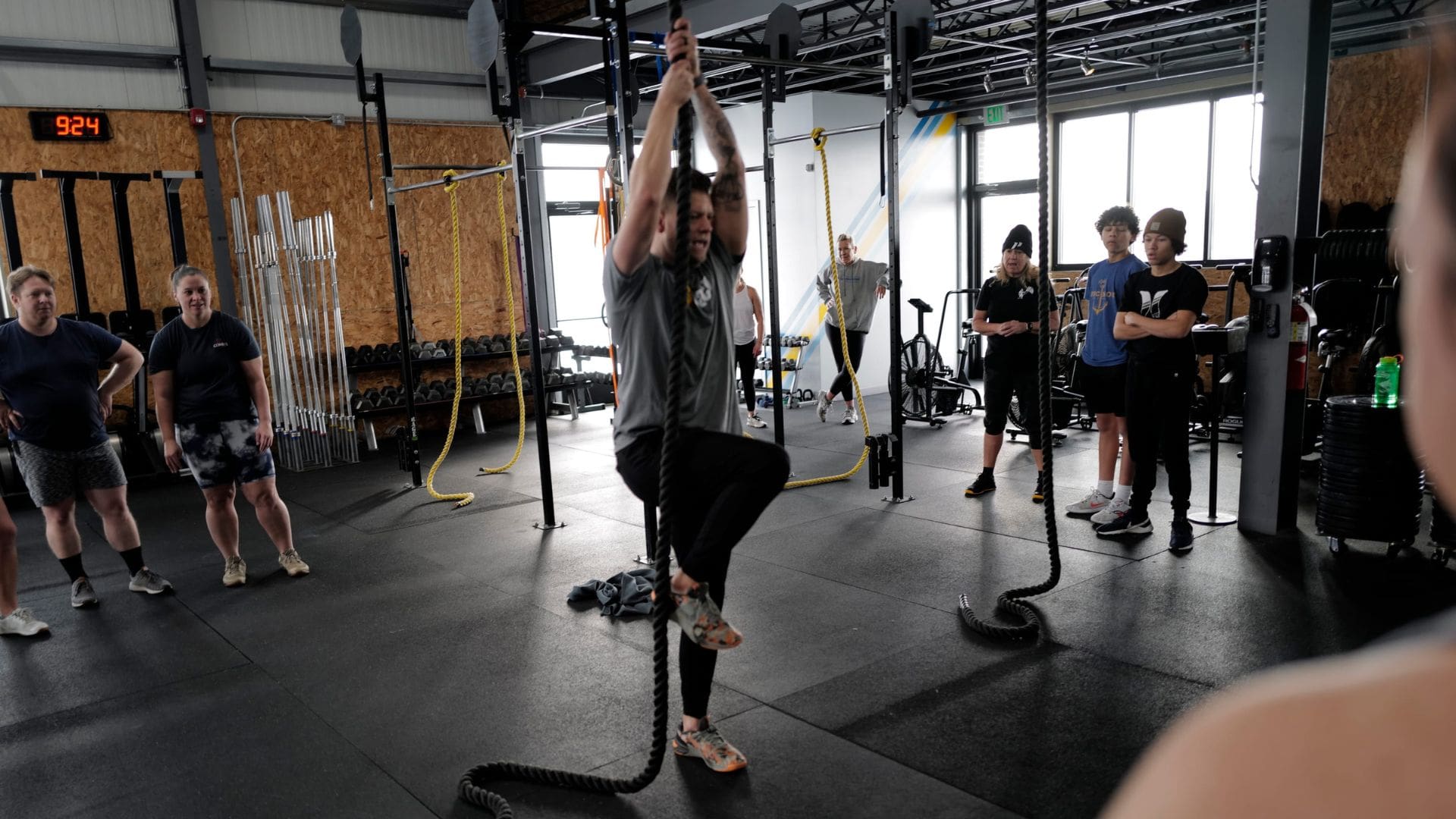
If you have ever walked into a CrossFit class and wondered why today looks nothing like yesterday, you are not alone. For a lot of people, especially those coming from traditional gym routines, the daily variety can feel disorienting at first. Today we’ll talk about the logic behind it, how coaches actually plan the programming, and what progress looks like when you are not repeating the same workout week after week.
Why CrossFit Workouts Look Different Every Single Day
CrossFit is built around the idea of being fit across multiple areas of life. By training different types of movement, you prepare your body to handle whatever comes at you, not just the things you have practiced a hundred times.
There is also a less comfortable side to it. Training differently every day means you regularly run into the things you are not good at. That is intentional. The movements you avoid or struggle with are exactly the ones that need attention. The variety forces you to work on weaknesses, not just get better at the things you already enjoy.
Constantly Varied Does Not Mean Random
This is probably the most common misconception about CrossFit programming. From the outside, it can look like someone just threw a bunch of exercises together. In practice, there is a lot of analysis behind each week.
Coaches track movement frequency, rep counts, time ranges, and loads lifted to make sure the body is being challenged in specific ways across a varying pattern. A well-built CrossFit program is a bit like a connect-the-dots drawing. Each individual dot might not look like much on its own, but when you step back, the picture is complete fitness.
What Coaches Are Actually Planning When They Build the Weekly Schedule
CrossFit is defined as constantly varied functional movement performed at relatively high intensity. Building a program around that definition means balancing a lot of variables at once: workout length, loading, movement pattern frequency, and weekly themes or biases.
A good program might lean toward heavier lifting for a stretch of days or weeks, then pull back entirely and focus on bodyweight-only work for a while. That kind of balance is what separates a program that keeps people improving from one that just grinds them down. Getting it right is as much art as it is science. The goal is to keep the body adapting without burning people out.
How Progress Shows Up When You Are Not Repeating the Same Workout
One of the clearest examples of this comes from people who join CrossFit after years at a traditional gym. Someone might come in used to bench pressing every week. With CrossFit programming, they might not bench press for several months. Then, when it shows up in a workout, they put up a weight they used to max out on and now do for five or ten reps. Sometimes they hit a big personal record they were not expecting.
The same thing happens with running times, pull-up capacity, and other movements. Progress was happening the whole time, just not in a way that was visible through a single repeated exercise. That is one of the things that tends to surprise people most when they make the switch.
Tracking Fitness Without a Fixed Routine: What to Pay Attention To
Tracking progress in a constantly varied program can feel harder than it sounds. At CrossFit ELM, every workout gets logged through an in-house app. Some of those workouts are benchmark workouts that come back periodically, which gives a direct comparison over time. Others are just regular training days, but they still get logged.
The small wins matter here. Running through an entire workout without stopping to walk. Rowing at a faster pace than last time. Choosing a slightly heavier weight or a harder version of a movement. When those get logged, they show up on the leaderboard, and your fellow members can see them and celebrate with you. That kind of accountability and recognition adds up over time.
What This Means for Busy Parents Fitting CrossFit Into a Full Week
Everyone goes through seasons where getting to class is hard. Life gets full, schedules shift, and some weeks two or three days is the best you can do. That is fine, and it is worth being honest about what it means.
At CrossFit ELM, the target is 17 days per month. That is just over half the days in a month, which is not a huge overall commitment, but it is the point where progress toward specific goals starts to pick up real momentum. If you are doing fewer days, you can still maintain your fitness and stay in the habit. You just have to be willing to accept that things will move more slowly than you might want. Staying consistent with intentional movement, even in smaller doses, is still a meaningful investment in your health.
How to Get the Most From a Program That Keeps Changing
Chasing fitness goals inside a constantly varied program means learning to stay patient with the process. There will be stretches where you hit a personal record almost every week. Then there will be months where nothing seems to move. Both are normal.
The work is in committing to the process regardless of which phase you are in. Getting 1% better each day does not always look dramatic. Sometimes it is showing up and moving when you are tired. Sometimes it is pushing yourself to go a little heavier or try a harder variation. Stay focused on the day in front of you, and the gains tend to take care of themselves over time.
If you are curious about how the programming at CrossFit ELM works in practice, or you want to see what a week of training actually looks like, reach out to the coaches. They are happy to walk you through it.


